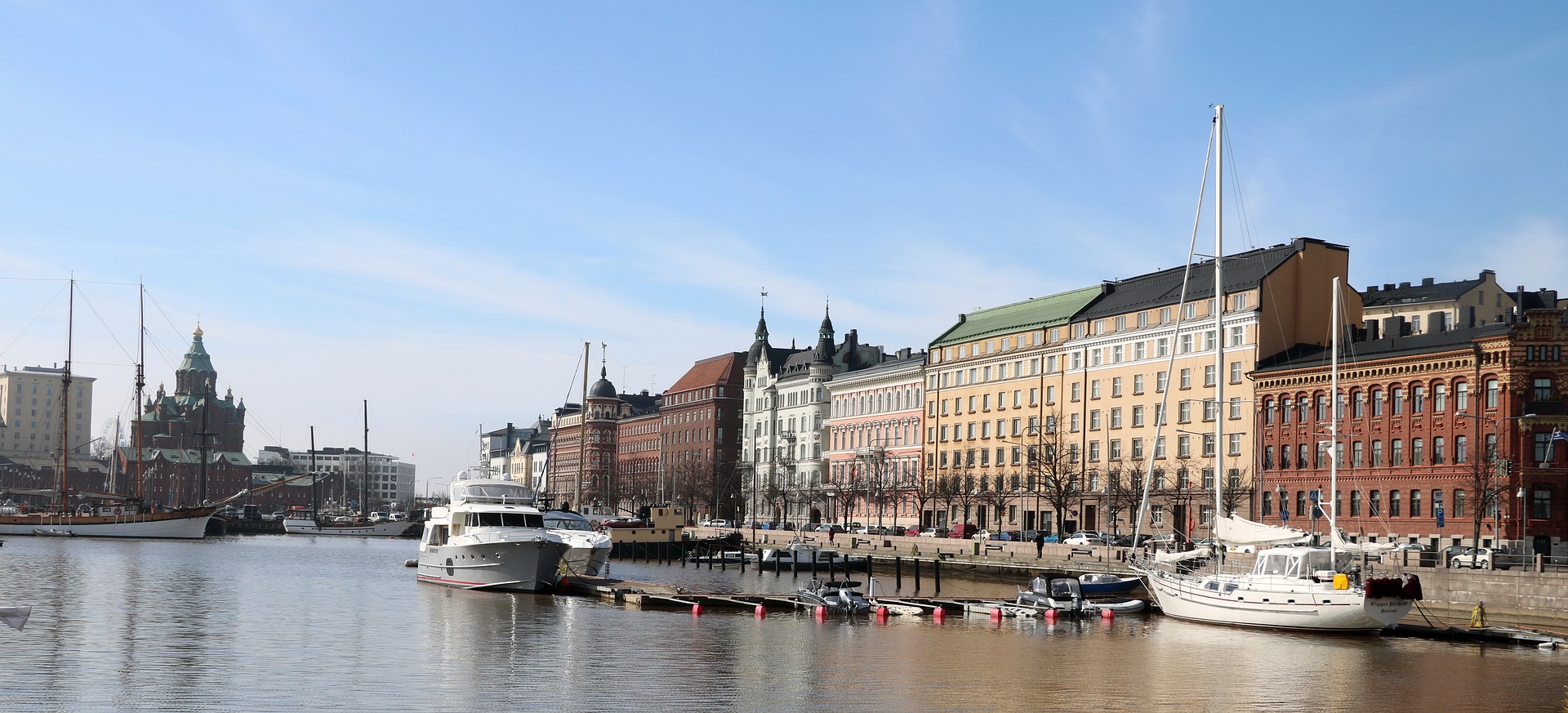
In 2012 Helsinki was the World Design Capital together with Espoo, Vantaa, Kauniainen and Lahti.
The World Design Capital is an initiative of WDO, World Design Organization, which every second year recognizes one global city for its accomplishments in utilizing design as a tool to improve social, cultural, and economic life.
World Design Capital Helsinki 2012 is more than just a series of events or projects. It is about improving cities, embedding design in life.
Main theme was Open Helsinki – Embedding Design in Life. Openness equals transparency, curiosity, global responsibility, and innovation. Vision extends the concept of design from goods to services and systems. It means finding solutions to people’s needs, for example in the public health care sector. In short, it’s about improving our cities.
Joint venture of five neighbouring cities
World Design Capital Helsinki 2012 was a joint venture of five neighbouring cities: Helsinki (595 000 inhabitants), Espoo (252 000 inhabitants), Vantaa (203 000 inhabitants), Kauniainen (8 700 inhabitants) and Lahti (102 000 inhabitants). Together these cities form the metropolitan area with over a million inhabitants.
Here are listed some of the project stakeholders:
The Finnish State: the competent ministries were the Ministry of Employment and the Economy and the Ministry of Education and Culture. Besides these also other ministries, The Finnish Innovation Fund (Sitra) and The Finnish Funding Agency for Technology and Innovation (Tekes) were involved.
Corporate partners: The World Design Capital 2012 was one of the largest cooperative ventures ever organised in Finland. Our main partners were: BMW, Finavia, Haenyt.fi SME Finance, HOK-Elanto, KONE, Martela, Nokia, Oivalaina, UPM ja and Viking Line.
Universities and Universities of Applied Sciences: Aalto University and University of Helsinki. Also Universities of Applied Sciences located both in the Helsinki metropolitain area and in Lahti.
Design Organisations: Design Forum Finland, The Finnish Association of Designers (Ornamo), Association of Professional Graphic Designers in Finland (Grafia), and Finnish Association of Architects (SAFA).
Foundations: Swedish Cultural Foundation in Finland.
WDC Helsinki funding
The total funds for the entire World Design Capital Helsinki 2012 project managed by International Design Foundation during 2010 – 2013 were 16 million euro. The Finnish State provided 5 million euro and the participating cities a total of 6 million euro for the project. The additional funding came from corporate partners and foundations, exceeding expectations. International Design Foundation’s final accounts show a surplus of 100,000 euro.
The finances of WDC Helsinki 2012 were only partially channeled through International Design Foundation. Projects had their own budgets and were mainly financed from other sources, such as public and private funds and foundations as well as through project financing and corporate partnerships. No estimate is available of the total economic scope of WDC Helsinki 2012.
The World Design Capital Helsinki 2012 project was implemented and managed by International Design Foundation. The foundation had its headquarters in central Helsinki and it collected, promoted and coordinated the aims, functions and the entire programme of WDC Helsinki 2012.
The board of the International Design Foundation is responsible for the appropriate organising of the foundation, manages the foundation funds and decides on the foundation’s operating principles.